
Water application
Industrial water and wastewater activated carbon
A practical route for evaluating coal-based granular activated carbon 12×40 against the water, vessel and incumbent media that determine real service performance.
Selection logic
The wastewater, not the catalogue, sets the test.
Industrial wastewater activated carbon is usually a polishing step inside a wider treatment train. The same carbon can behave differently when influent loading, dissolved-organic competition, solids, pH or contact time changes.
Before requesting a sample, use the mesh size selection guide to check retention, hydraulics and backwash assumptions.
Grade selection: AC-W1240 is positioned for non-potable industrial water and wastewater. Drinking-water service requires a separately quoted grade with the applicable compliance documents.
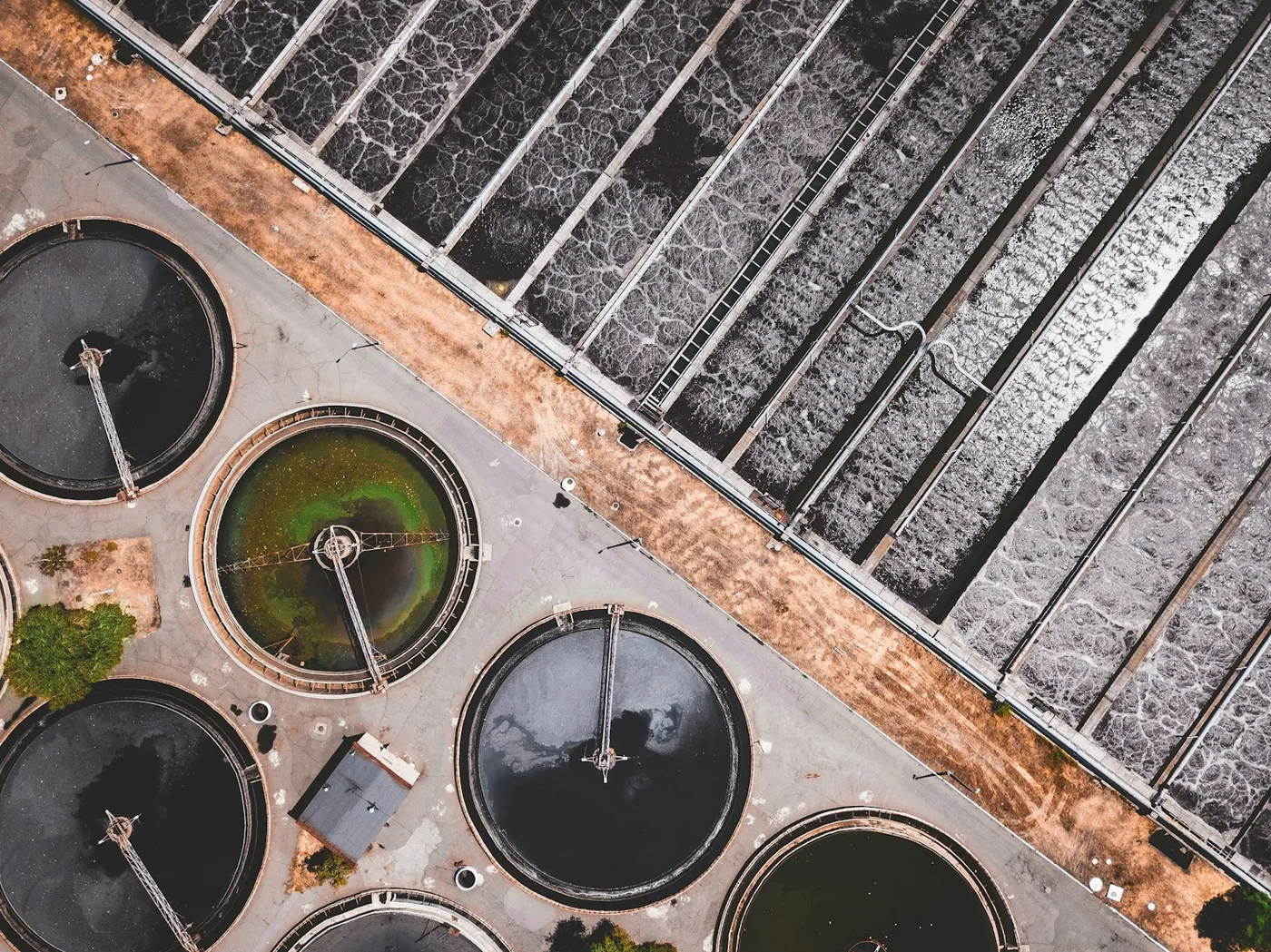
Operating context
Carbon is one controlled step inside the treatment train.
Industrial buyers usually need replacement media to fit an existing vessel, upstream process and discharge target. That is why the first RFQ asks for water chemistry, hydraulics and incumbent-media evidence before a price or sample is treated as meaningful.
Industrial water-treatment context shown for application reference.
Project inputs
Four data groups shape a useful media comparison.
Missing duty data turns an RFQ into a price-only comparison. These inputs make sample and pilot work defensible.
Water chemistry
Target organics, influent range, desired outlet, pH, temperature, solids and upstream treatment.
Hydraulics
Flow, vessel diameter, bed depth, empty-bed contact time, pressure-drop limit and backwash sequence.
Incumbent evidence
Current TDS or COA, loading quantity, observed service life, carbon losses and reason for change.
Acceptance target
Comparison test, pilot duration, outlet trigger, inspection scope and order acceptance criteria.
Screening duties
Where AC-W1240 may enter evaluation.
- Polishing residual adsorbable organics after primary treatment.
- Replacement media for non-potable industrial carbon filters.
- Process-water applications with a defined contaminant and treatment target.
- Distributor or EPC qualification where 12×40 coal-based GAC is already specified.
Do not assume
Where a separate path is required.
- Drinking-water service or any certification-dependent potable application.
- Food, beverage or pharmaceutical processing without dedicated purity review.
- Removal claims for contaminants that are poorly adsorbed or not identified.
- Full-scale service-life promises based only on a public benchmark value.
Evaluation sequence
Compare on a controlled basis.
1. Align the methods
Use the buyer's current grade and agreed test methods. A number is not comparable when the sampling or method differs; the COA review checklist shows which fields need alignment.
2. Test the real water
Screen adsorption with representative wastewater, then use a pilot when service life and hydraulics matter. Keep the sequence traceable with the sample testing plan.
3. Check physical behavior
Review particle distribution, density, pressure drop, backwash stability, abrasion and loading loss.
4. Lock the release file
Only accepted values enter the sales specification, inspection plan and batch-release criteria.
Commercial RFQ
Include enough for a real quotation.
- Required quantity for sample, trial and normal order.
- Current packaging and preferred SORBENTRA or private-label bag format.
- Destination port and desired Incoterm.
- Required TDS, SDS, COA and independent test scope.
- Target schedule and any site inspection requirement.
Application FAQ
Industrial water buyer questions.
How is activated carbon selected for industrial wastewater?
Selection starts with the real wastewater and treatment target. Influent variability, competing organics, pH, suspended solids, upstream treatment, contact time and vessel hydraulics can all change performance. Bench or pilot testing against the current media is normally more useful than choosing from an iodine number alone.
Why use 12×40 mesh granular activated carbon in an industrial filter?
A 12×40 granular range is commonly considered where a packed bed needs a workable balance of accessible surface, hydraulic behavior and media retention. The final particle distribution still needs to match the vessel, underdrain, backwash practice and pressure-drop limit.
Can AC-W1240 remove every wastewater contaminant?
No. Adsorption depends on molecular properties, concentration and competing substances. Metals, salts, strongly polar compounds and some low-molecular-weight substances may need other treatment mechanisms. The actual water must be assessed before claiming fit.
What should be included in a replacement-media RFQ?
Include influent and target outlet data, flow, carbon-vessel dimensions, bed depth, empty-bed contact time, backwash details, current media specification, service life, replacement reason, quantity, packaging and destination port.
Commercial inquiry
Request AC-W1240 for your water-treatment project.
Share the water, vessel, current carbon, quantity and destination so we can prepare the product, sample and quotation basis.