
Air application
VOC carbon adsorber replacement media
A duty-first route for evaluating coal-based 4 mm activated carbon pellets in general VOC, solvent vapor and non-acidic odor-control systems.
Selection logic
Adsorber media is a process choice, not a diameter choice.
A 4 mm pellet can support handling and airflow in deep beds, but real performance depends on contaminant chemistry, loading, humidity, temperature and the bed's usable contact time.
Use the sample testing guide to define representative air conditions before accepting a capacity or service-life comparison.
Scope boundary: AC-A460 is unimpregnated. It is not positioned for H₂S, SO₂, NH₃, mercury, acid gases or other duties that normally need reactive media.
Operating context
Match the pellet to the air path, not a single headline number.
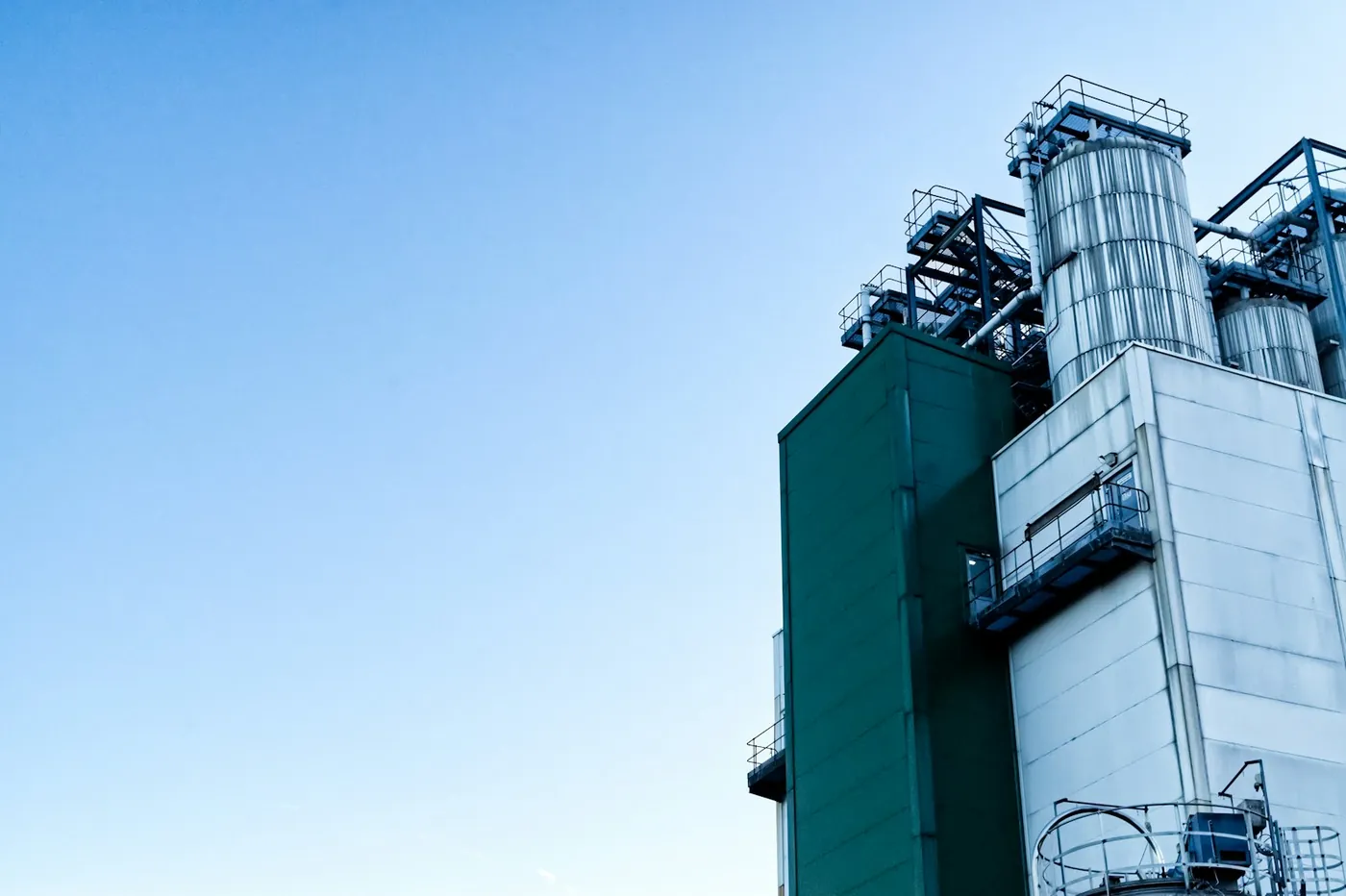
Industrial process equipment can look similar from the outside while the contaminant mix, humidity and bed loading are completely different. A useful replacement-media review connects the 4 mm form to the adsorber geometry and the changeout decision.
Industrial air-treatment context shown for application reference.
Project inputs
Four data groups determine whether a sample test is useful.
These inputs turn a “4 mm pellet price” request into a media comparison that an EPC or changeout team can use.
Contaminant profile
Compound mix, inlet concentration, variability, required outlet and changeout trigger.
Air state
Airflow, temperature, relative humidity, operating hours and upset conditions.
Bed design
Adsorber dimensions, bed depth, residence time, screens, loading method and pressure-drop limit.
Incumbent result
Current media, loading mass, service life, breakthrough signal, dust issue and reason for change.
Screening duties
Where AC-A460 may enter evaluation.
- General VOC carbon adsorber replacement media.
- Selected organic-solvent vapor duties after representative testing.
- Non-acidic odor duty where physical adsorption is appropriate.
- Deep-bed EPC and maintenance projects already using pelletized media.
Do not assume
Where a different medium may be needed.
- Hydrogen sulfide, sulfur dioxide, ammonia, mercury and acid-gas service.
- High-humidity performance without representative testing.
- Thin-panel filters that cannot retain or use 4 mm pellets effectively.
- Guaranteed breakthrough life based only on a general CTC number.
Evaluation sequence
Test the mechanism that matters.
1. Identify the compounds
Separate general organic vapor duties from contaminants that need impregnated or reactive media.
2. Reproduce air conditions
Include concentration, temperature and humidity in capacity or breakthrough work where service life matters. The sample testing plan keeps those conditions tied to the approved media.
3. Check bed behavior
Compare dust, pellet integrity, apparent density, loading mass and pressure drop in the intended adsorber.
4. Define changeout control
Agree the monitoring trigger, inspection method, spent-carbon responsibility and batch release file, then use the COA checklist to align batch evidence.
Commercial RFQ
Include the replacement context.
- Sample, trial and normal changeout quantity.
- Current pellet size, base material, COA or TDS.
- Adsorber loading method and packaging preference.
- Destination port, schedule and desired Incoterm.
- Required SDS, TDS, COA, testing and shipment documentation.
Application FAQ
Carbon-adsorber buyer questions.
What matters when selecting VOC carbon adsorber replacement media?
The contaminant mix, inlet concentration, temperature, relative humidity, airflow, bed depth, residence time, pressure-drop limit, changeout trigger and current media all matter. A pellet diameter or CTC value alone does not establish service life.
Are 4 mm activated carbon pellets suitable for solvent vapor?
They can be candidates for some general organic-solvent duties, but fit must be validated for the actual solvent mix and air conditions. Relevant capacity or breakthrough testing is more informative than a general adsorption indicator alone.
Can unimpregnated carbon remove hydrogen sulfide or ammonia?
It should not be assumed. Hydrogen sulfide, sulfur dioxide, ammonia, mercury and other reactive contaminants often require impregnated or chemically reactive media. AC-A460 is unimpregnated and is not positioned for those duties.
How do humidity and temperature affect activated carbon service life?
Water vapor and temperature can reduce effective adsorption capacity or change competitive adsorption. The effect depends on the contaminant and operating range, so representative conditions should be included in comparison or breakthrough testing.
Commercial inquiry
Request AC-A460 for your VOC or odor-control project.
Share the contaminant, airflow, bed data, current carbon, quantity and destination so we can prepare the product, sample and quotation basis.